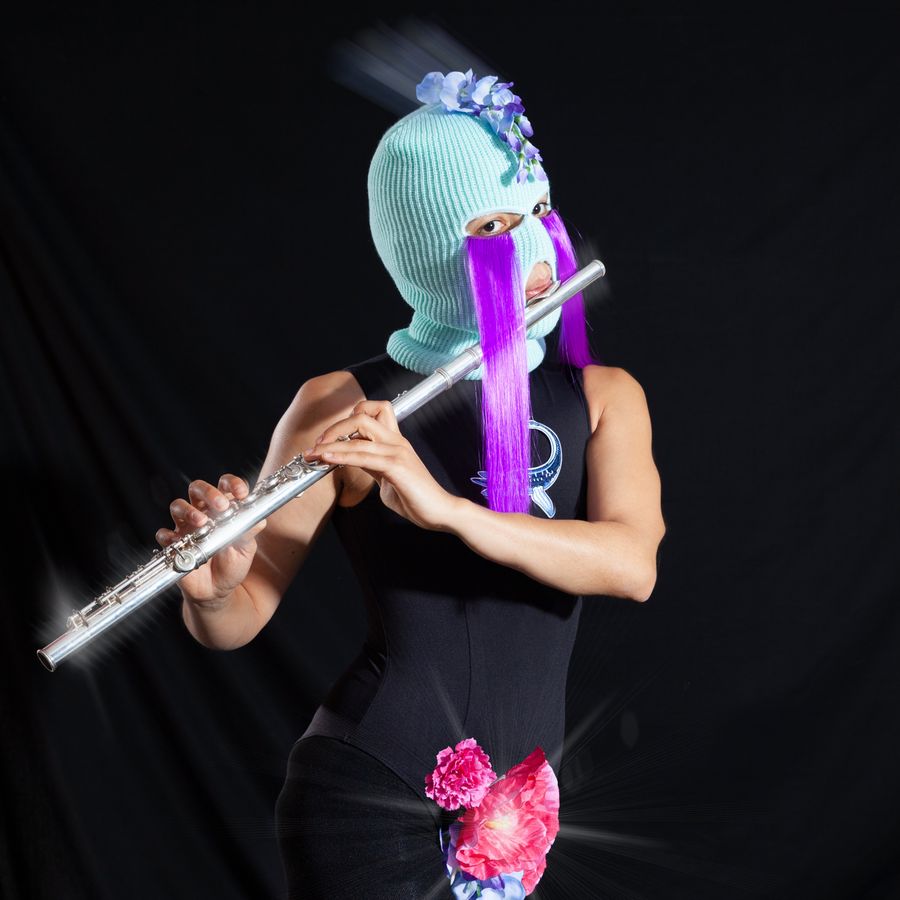
Maria Magdalena Kozłowska
Maker
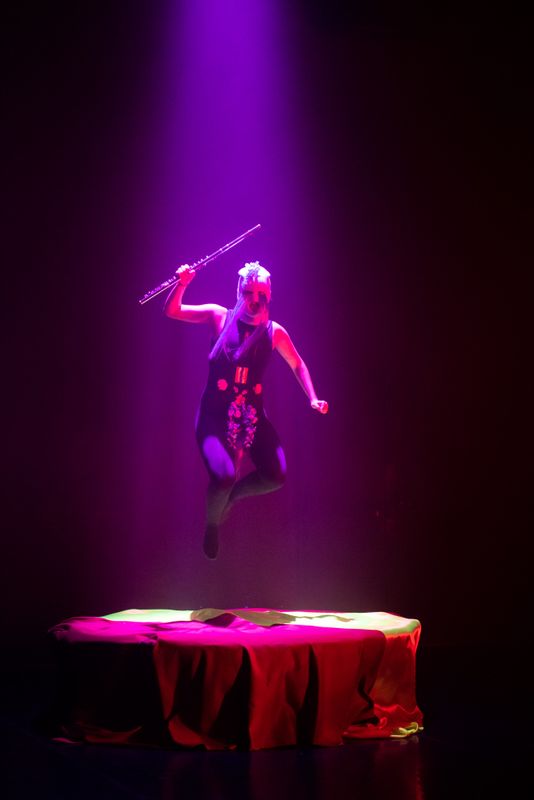
Dutch-Polish Maria Magdalena Kozłowska (1986) is a director, singer, and performer whose work explores the connective and revolutionary potential of the human voice. Combining classical singing, various musical styles, video & visual art and live performance, she creates interventions that bridge the gap between individual and society, tradition and transition.
Biography
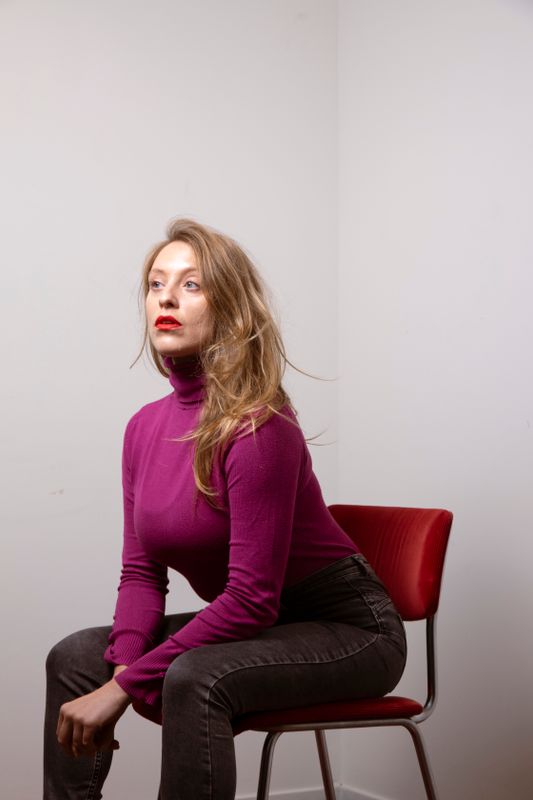
Maria studied philosophy in Warsaw. She developed her work as an artist in Poland for 12 years before relocating to Amsterdam, where she studied at DAS Theatre - Academy of Theatre and Dance. During her time here she made For European Songs (2019), for which she developed a new European language as a starting point for a utopian communication ideal. In the mini-opera Meditation on the Archive (2019), she raised critical questions about ‘archiving strategies’ and the collective European memory. Maria graduated from DAS in 2020 and her work has been shown at various European venues and art institutions, including KW Institute of Contemporary Art (Berlin), Museum of Modern Art (Warsaw) & the Venice Biennale. An overview of her video work was shown at the International Film Festival New Horizons in Wroclaw.
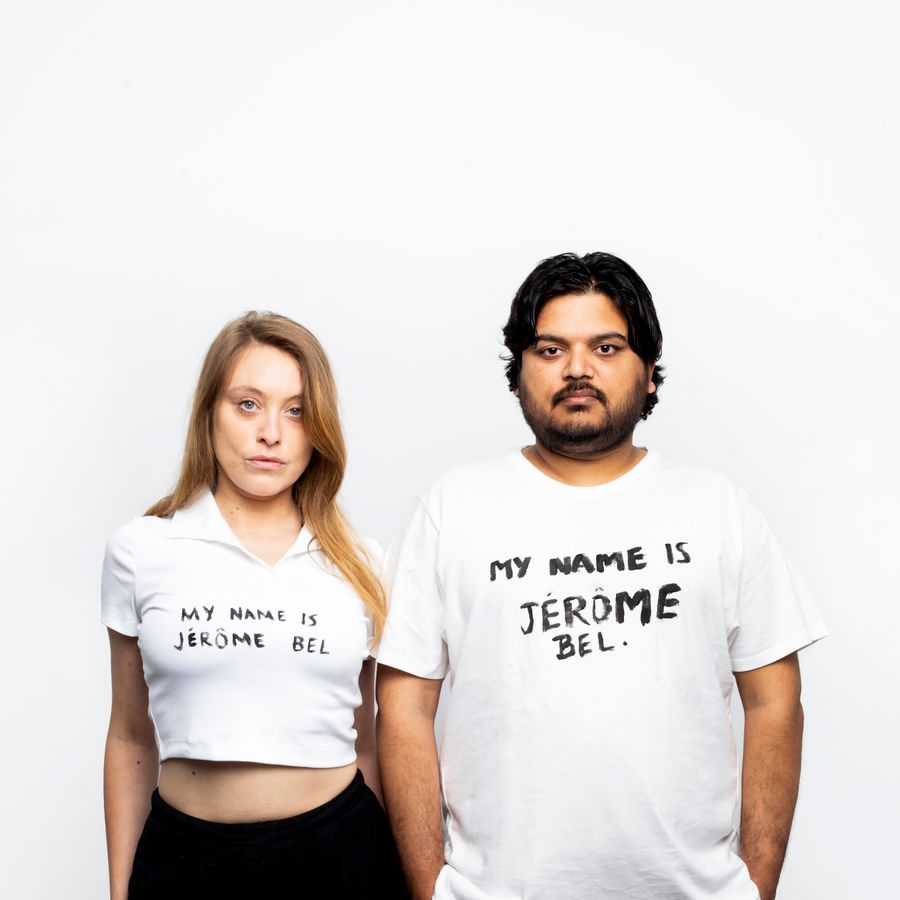
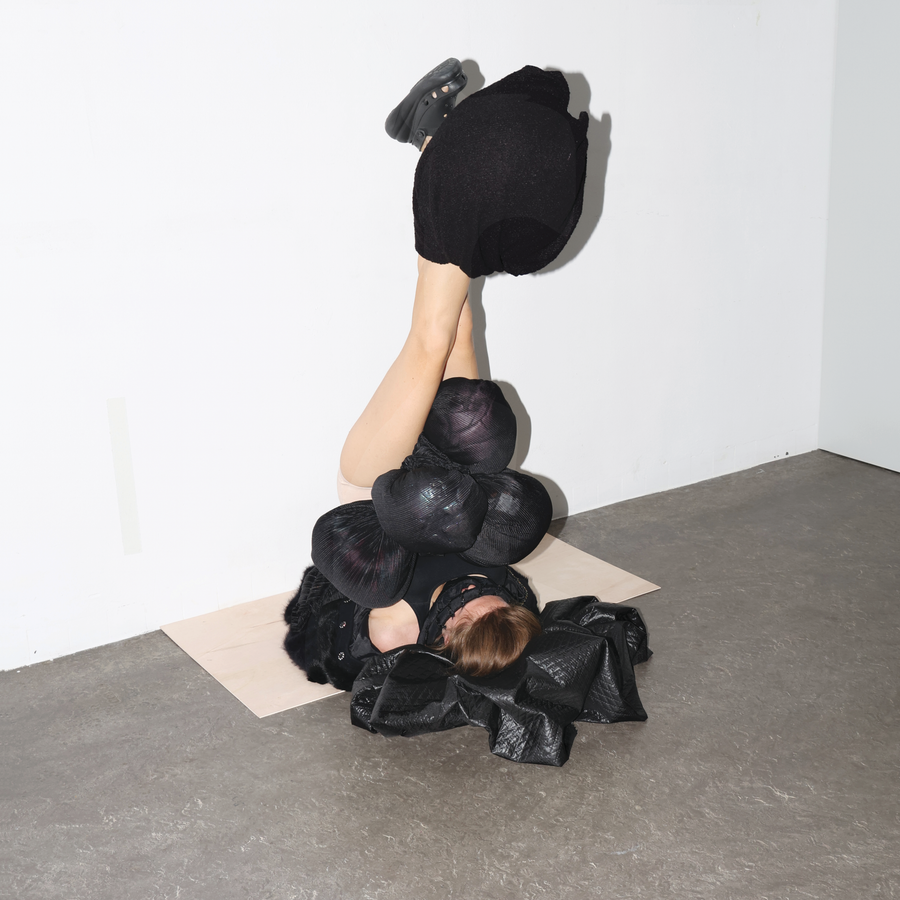
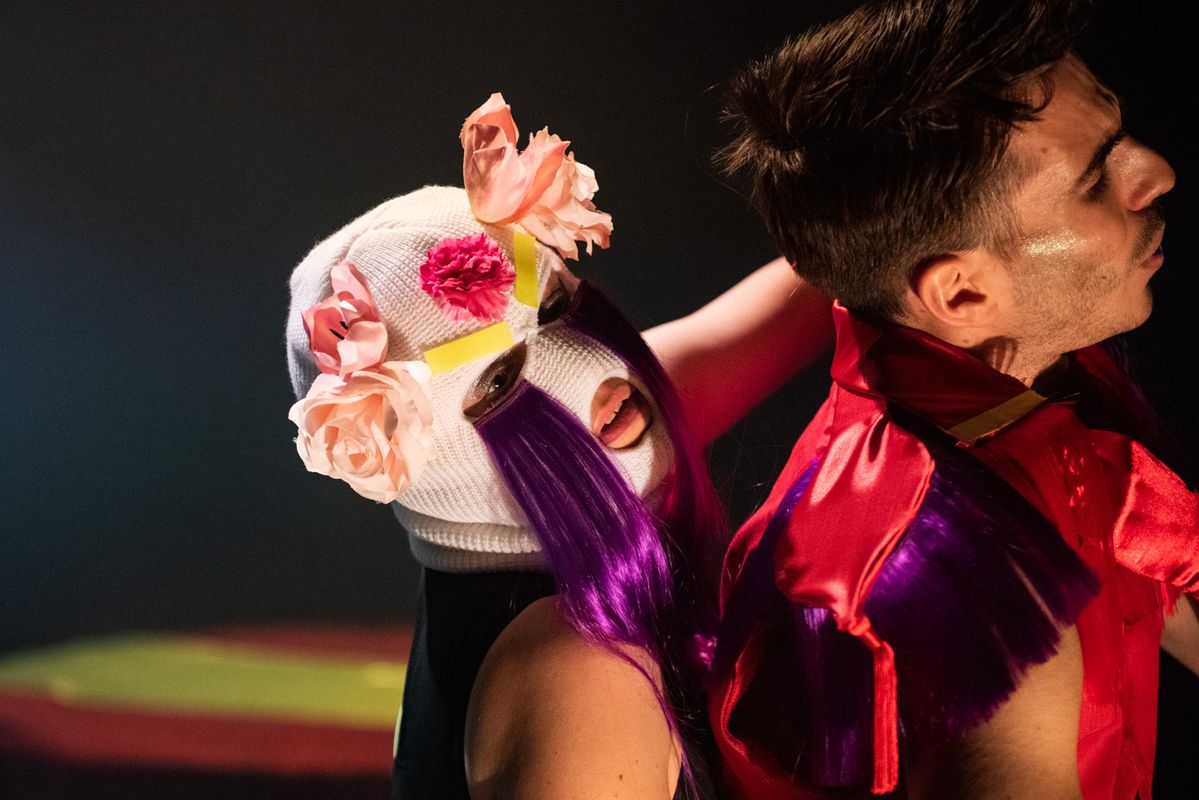
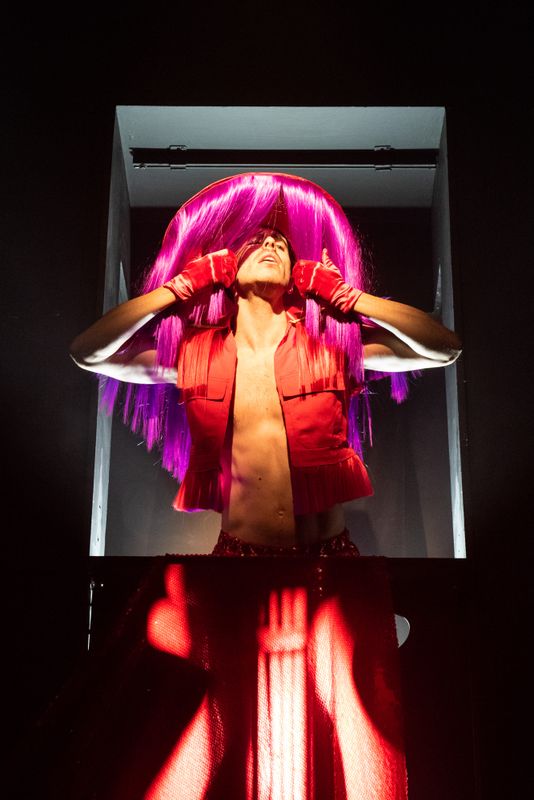
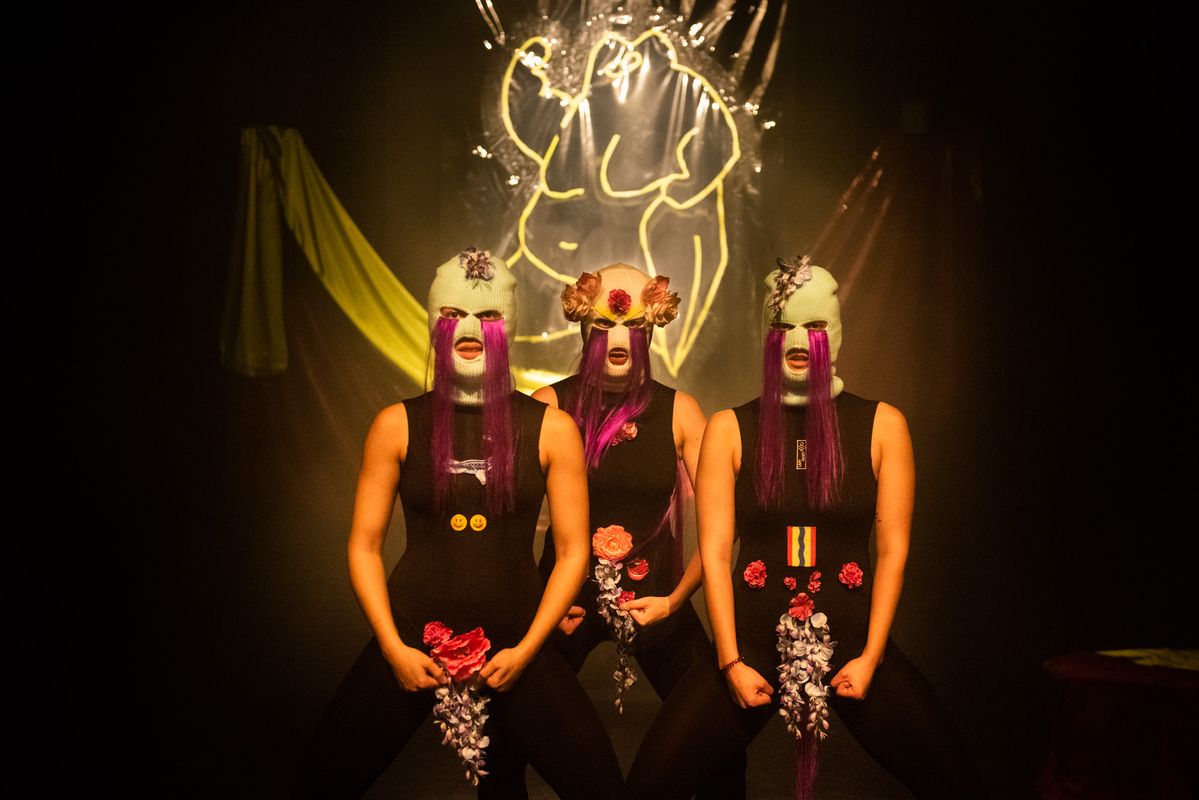
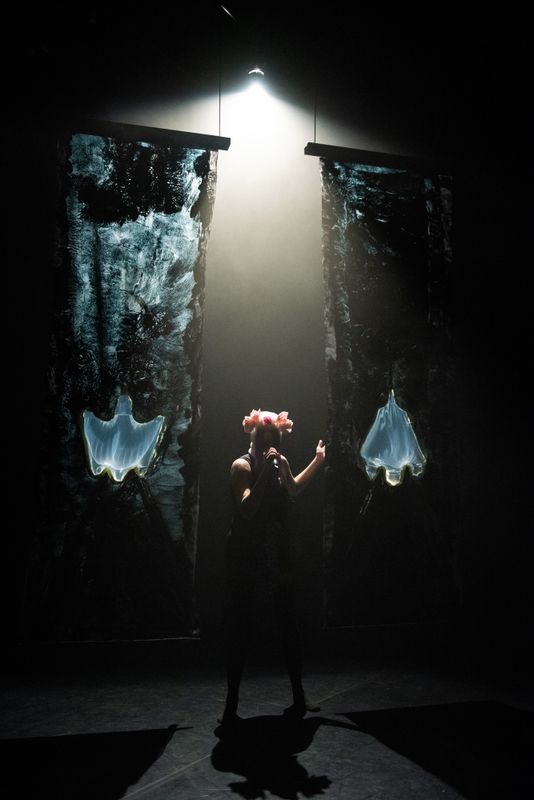
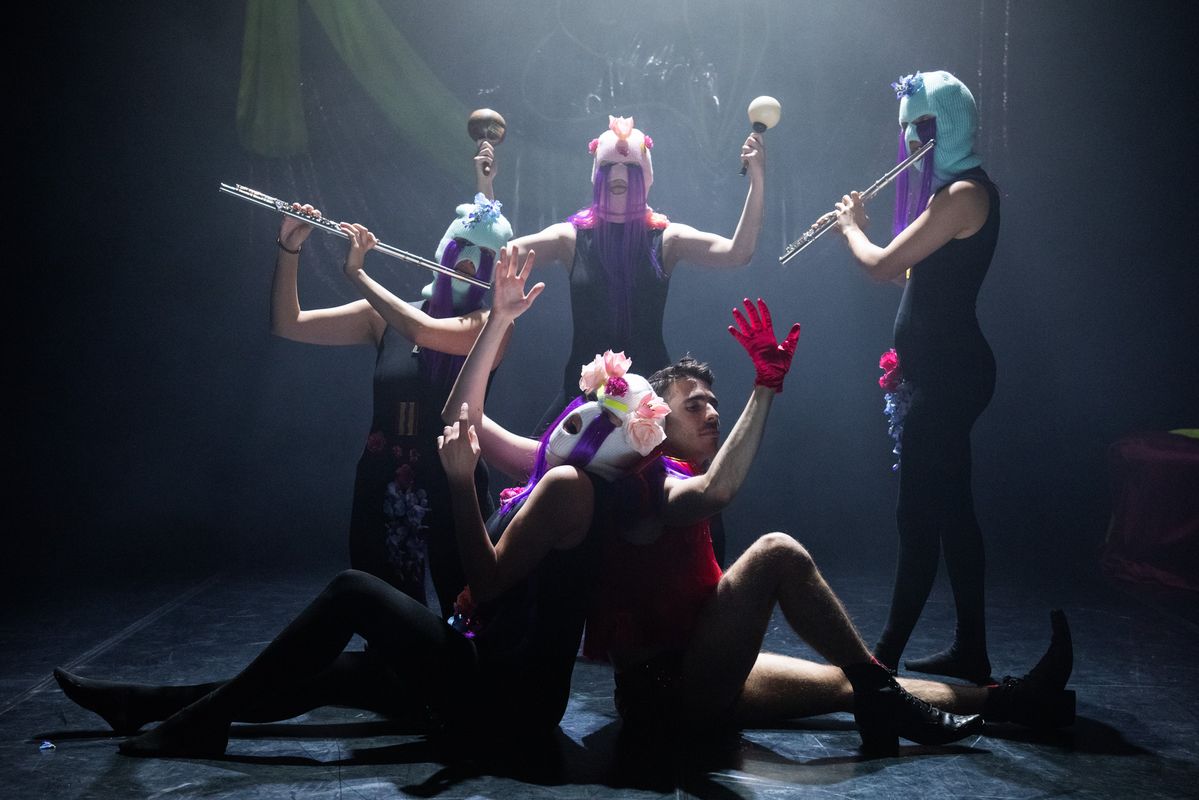
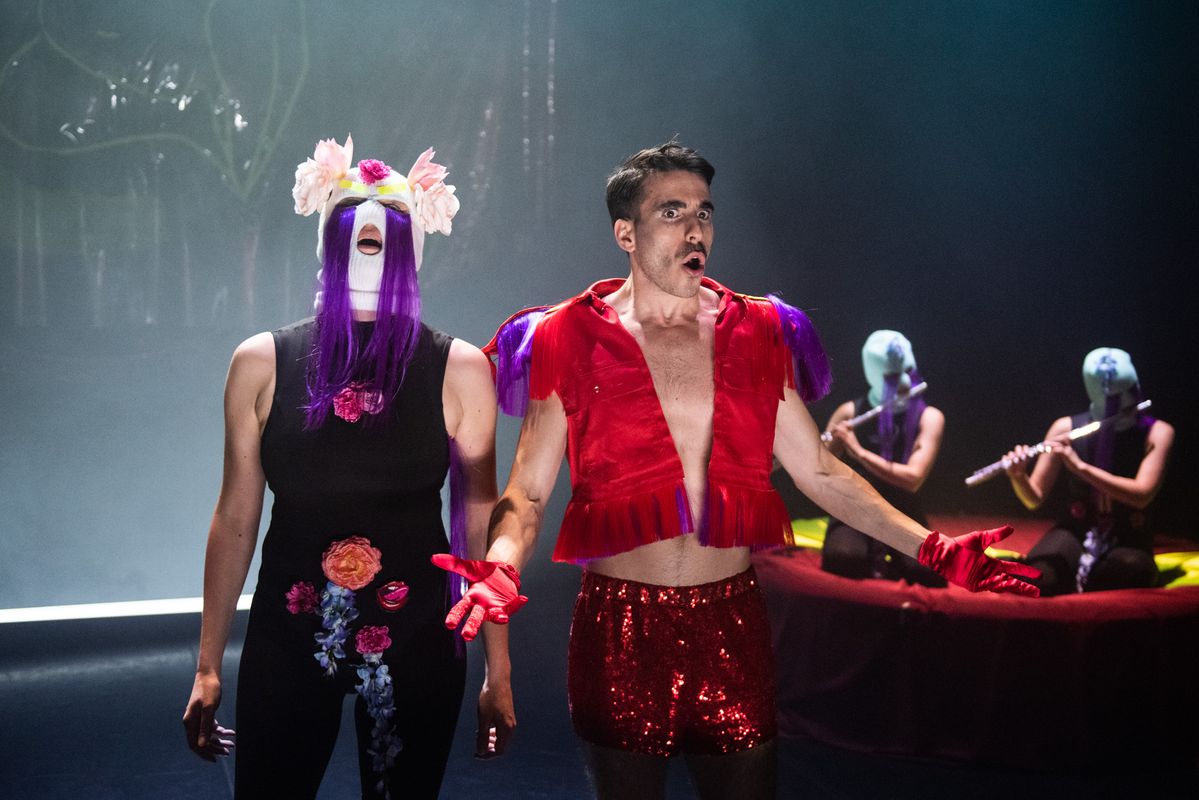
For her first piece with Frascati Producties, COMMUNE (2021), she sought to create a musical tribute to protesting women, inspired by the women’s strike in Poland, Pussy Riot, hydrofeminism, and contemporary opera. That same year, collaborating with Pankaj Tiwari, Maria sought to bring the ‘elitist’ art form of opera to the public space of Amsterdam’s canals with the floating performance Opera to the People. Her follow-up, Dead Skin, premiered in December 2022: a dark, explosive, and musical trip through the landfill of her own fashion addiction. Also in 2022, COMMUNE was performed at Santarcangelo Festival in Italy. For Holland Festival 2023, she again collaborated with Pankaj Tiwari on an adaptation of Jérôme Bel. Through The Polish Project part 1 (2024) she conducted research into the hidden stories of migrant workers.
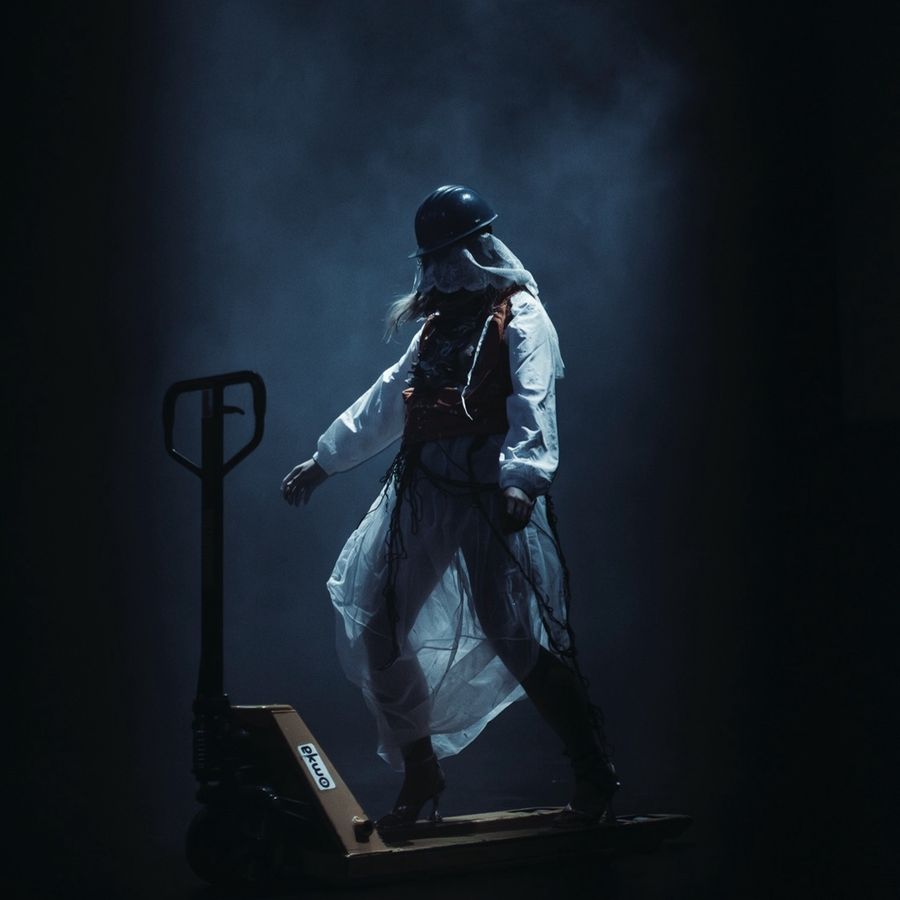
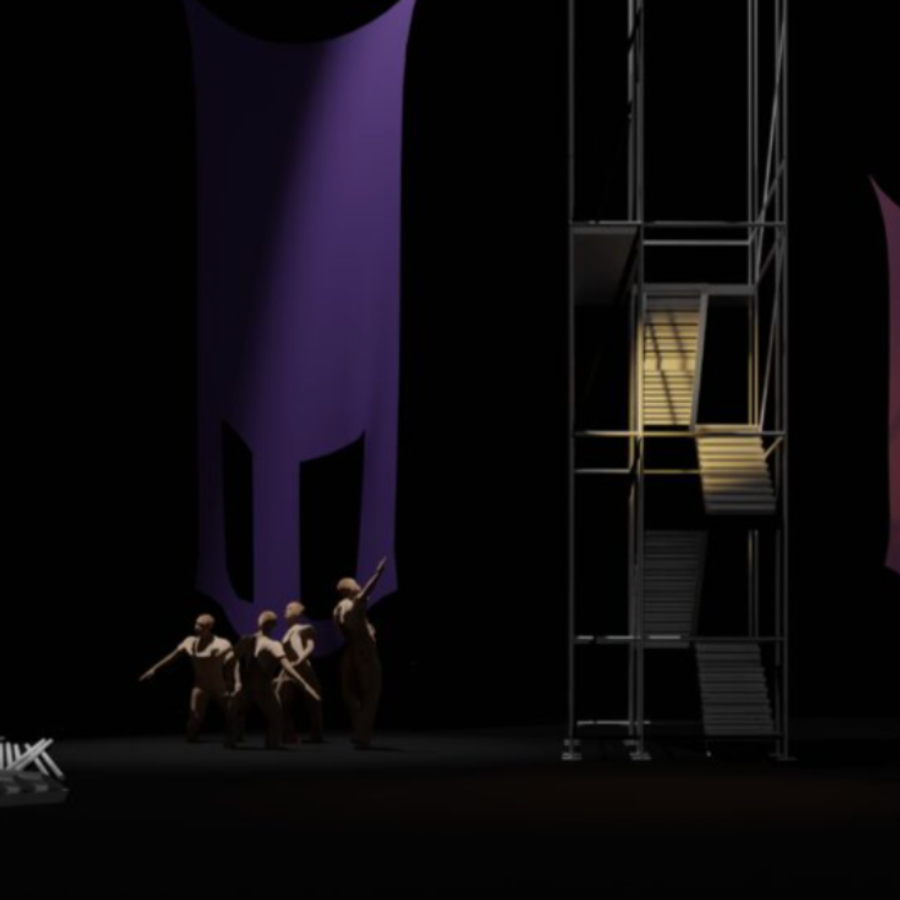
Building on the research from The Polish Project part 1 (2024), The Polish Project (2025) presented a raw and poetic performance in which art and labour merge into a musical and visual universe full of rhythm and physicality. Through opera, choreography, and video, she brought the voices and stories of Polish migrant workers to life, blurring the lines between documentation and imagination. The piece was an ode to invisible labour, to human resilience, and to the fragile balance between dedication and exhaustion in both work and art. It premiered at Julidans 2025.
Maria considers nothing to be as personal and intimate as the human voice. It is our voice which we use to express ourselves, to connect with others, to share our thoughts and emotions, to put the past into words, to engage in politics, and to make imaginable what is not yet so. It is because of this very reason and these versatile uses that the human voice is a leitmotif in her work.
Press
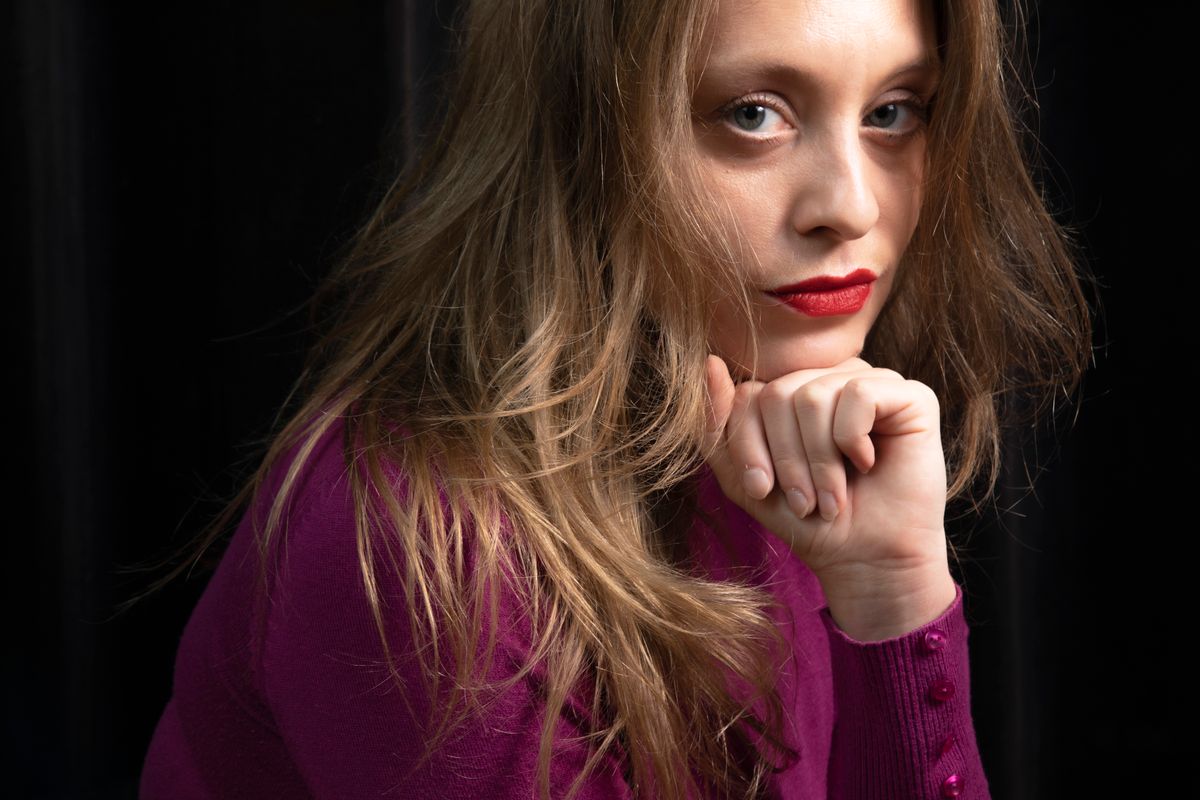
"I work with the directness and intrusiveness of voice and music. It can reach the emotional, even spiritual level of our being, whether we like it or not. It’s very visceral."
Glamcult in conversation with Maria Magdalena Kosłowska about Dead Skin
"...overall intelligent commentary and tribute to the feminist movements in Poland."
Movement Exposed about COMMUNE
"COMMUNE is a body-positive, emancipatory opera."
Interview with Gargarin Magazine (IT) about COMMUNE
Productions