Context The Red Book
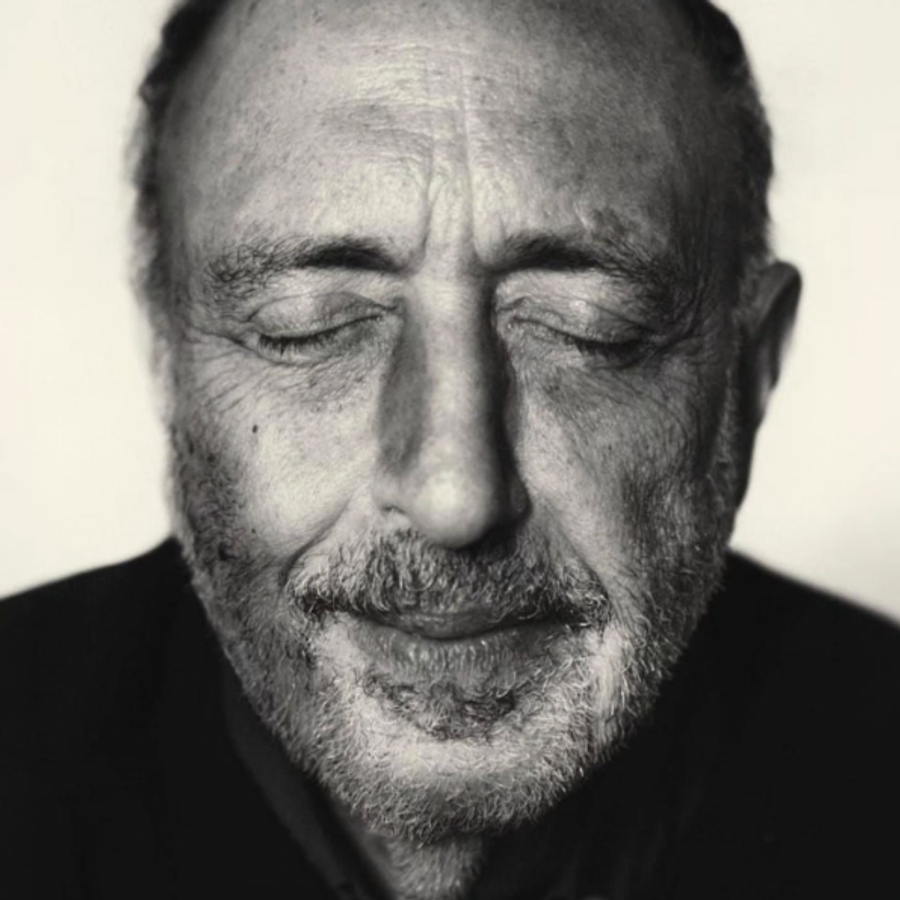
On the eve of the First World War, in 1913, Swiss psychiatrist Carl Gustav Jung enters a period of profound inner turmoil. His friendship and collaboration with Sigmund Freud have come to an end. At the same time, he is overwhelmed by dreams, visions and images he cannot explain. Rather than suppressing them, he decides to enter into them.
For years, Jung consciously explores this inner world. He engages in dialogue with the figures that emerge, allowing visions, voices and images from his unconscious to surface. He records his experiences in texts, drawings and paintings. Eventually, he brings them together in a monumental, handwritten and illustrated book: Liber Novus, better known as The Red Book.
Jung knew he had created something extraordinary, yet he hesitated to make it public. The work was deeply personal and far removed from what was expected of a respected psychiatrist and scientist. After his death, the manuscript disappeared into a Swiss bank vault, where it remained virtually hidden from the outside world for decades. It was not until 2009 that Jung’s heirs released and published The Red Book.
In the meantime, the unpublished book had acquired an almost mythical status. Since its publication, it has become an important source of inspiration for artists, psychiatrists, philosophers and thinkers exploring the unconscious, imagination and psychological upheaval.
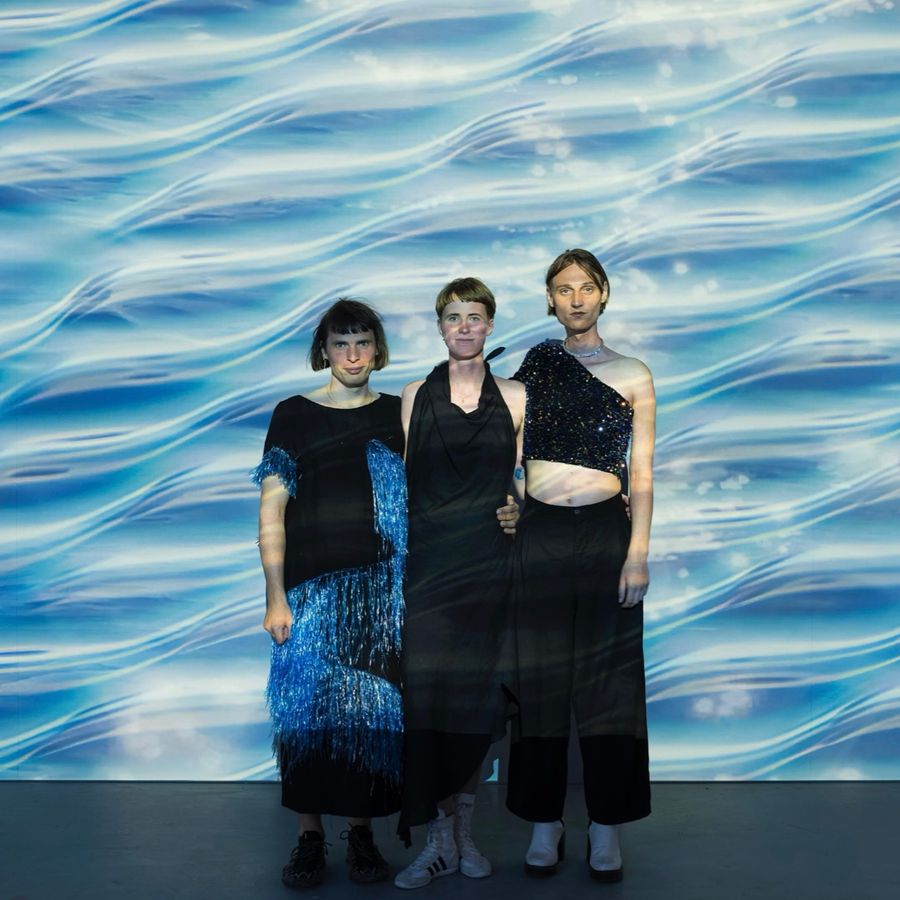
As part of Off Label, The Red Book Revisited gives Jung’s experiment renewed meaning. Taking his radical gesture as its starting point, it asks: what emerges when we allow space for the unknown, rather than immediately trying to explain or control it?